NewPassiveContact Us

OXIPASSIVE®

In Men's Reproductive Health

Varicocele & the Testicular Microenvironment

Where venous reflux, heat and hypoxia converge into progressive oxidative testicular dysfunction.

  • Varicocele

  • Testicular Microenvironment

  • Progressive Testicular Dysfunction

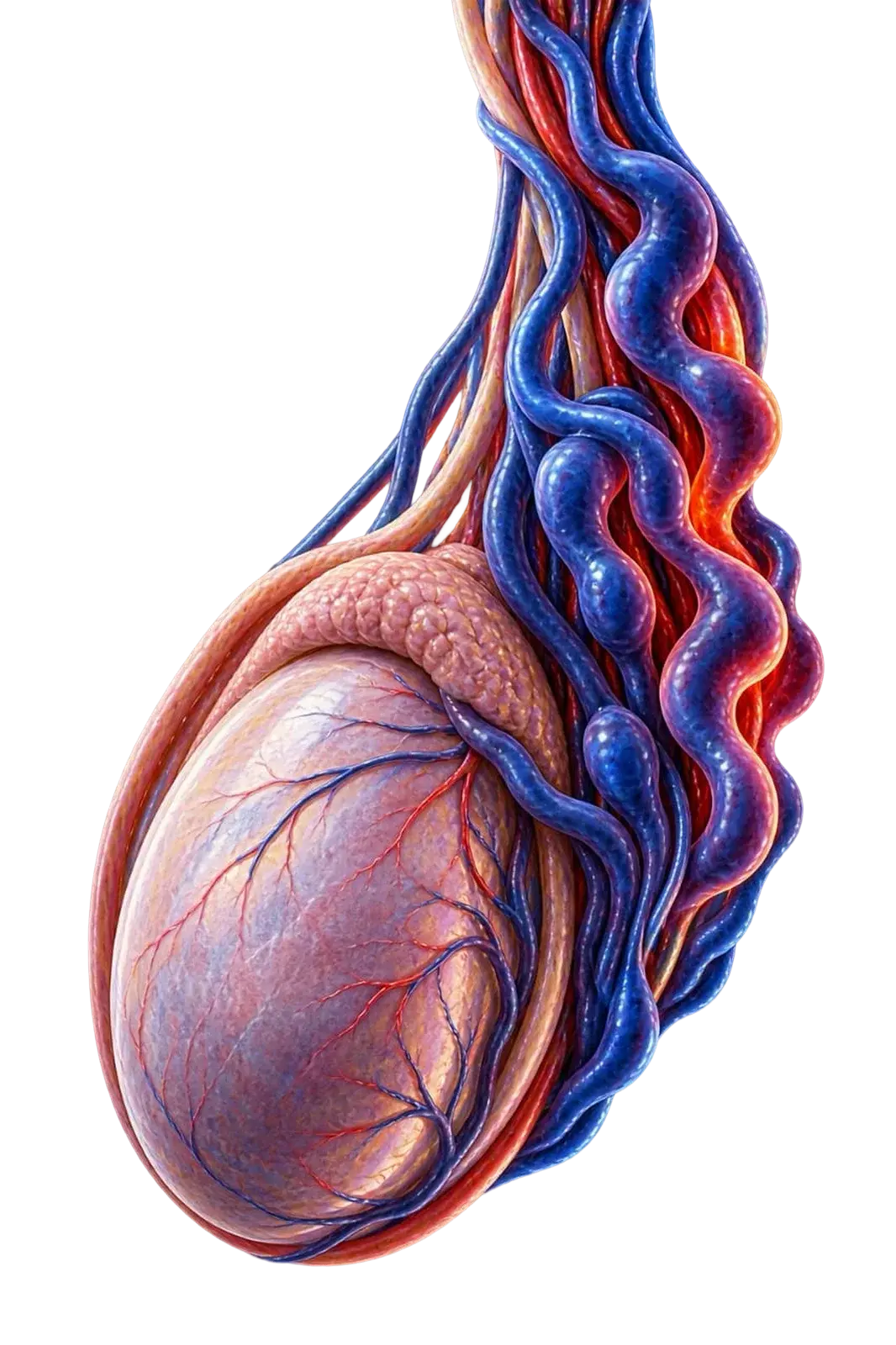
Varicocele of the pampiniform venous plexus draining a testis
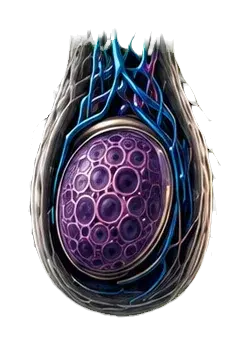
  1. Healthy Testis

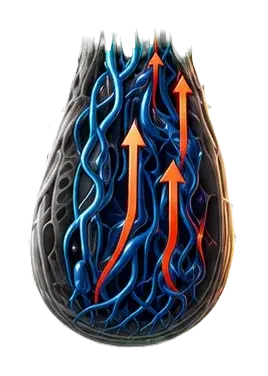
  2. Venous Reflux

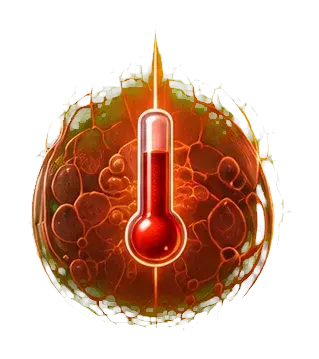
  3. Heat Stress

  4. Hypoxia (O₂↓)

  5. Reactive Oxygen Species

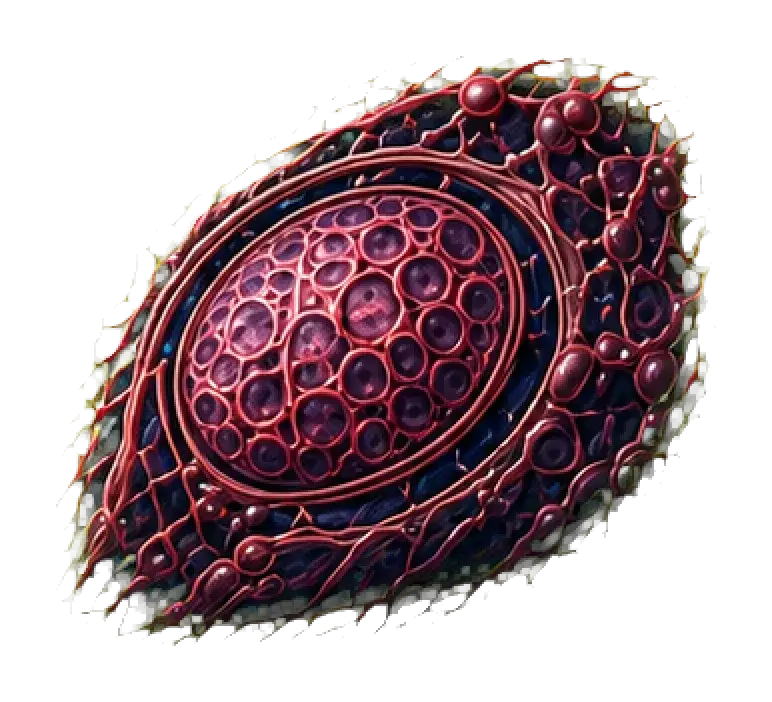
  6. Progressive Testicular Dysfunction

Clinical Indicators & Patient Criteria

EXECUTIVE CLINICAL SNAPSHOT

Identifying target clinical presentations for redox microenvironment support.

Clinical Concept

  • Most extensively studied clinical model of testicular oxidative stress
  • Infertility presentation
  • Chronic disruption of the testicular microenvironment
  • Oxidative stress as a principal mechanism of reproductive dysfunction

Clinical Presentation

  • Primary or secondary infertility
  • Abnormal semen analysis
  • Scrotal discomfort
  • Testicular asymmetry
  • Progressive decline in reproductive potential

Patient Profile

  • Clinical varicocele
  • Subclinical varicocele
  • Persistent infertility
  • Abnormal semen analysis
  • Post varicocelectomy patients

Intracellular Microenvironment Comparison

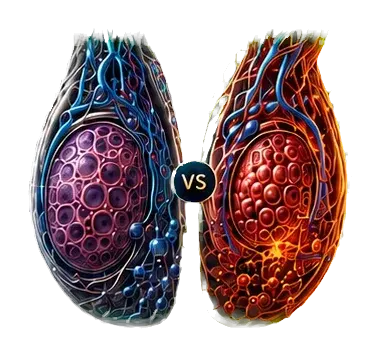
HEALTHY VS VARICOCELE TESTICULAR MICROENVIRONMENT

Visualizing the cellular changes from physiological balance to varicocele pathology.
HEALTHY

  • Physiological scrotal temperature maintained by pampiniform plexus counter-current exchange
  • Reactive oxygen species held at signalling levels
  • Intact blood-testis barrier and Sertoli cell support
  • Preserved spermatogenesis with sperm DNA and protamine integrity maintained
A healthy testis beside a varicocele-affected testis in cross-section

VARICOCELE

  • Venous reflux and stasis raise scrotal temperature beyond the thermoregulatory range
  • Hypoxia drives reactive oxygen species overproduction
  • Blood-testis barrier disruption with Sertoli and Leydig cell dysfunction
  • Impaired spermatogenesis with sperm DNA fragmentation and protamine deficiency

Intracellular Testicular Support

WHY OXIPASSIVE®

Directly addressing cellular redox deficits in the spermatogenic microenvironment.
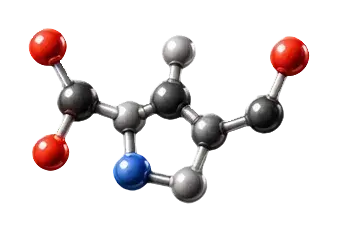
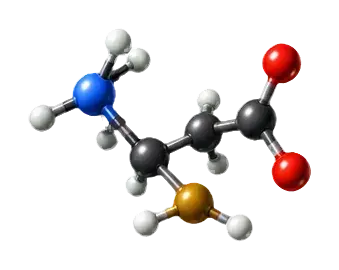
N-Acetyl-L-Cysteine
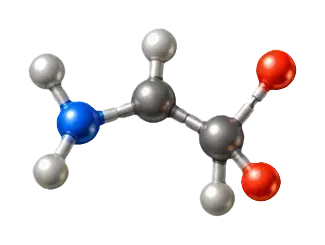
Glycine
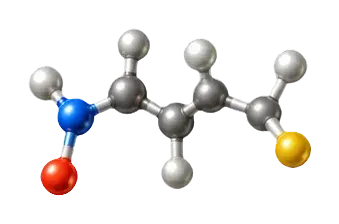
Endogenous Glutathione (GSH)

Final active antioxidant synthesized from NAC + Glycine precursors

  • Restore Redox Balance

  • Support Testicular Cellular Protection
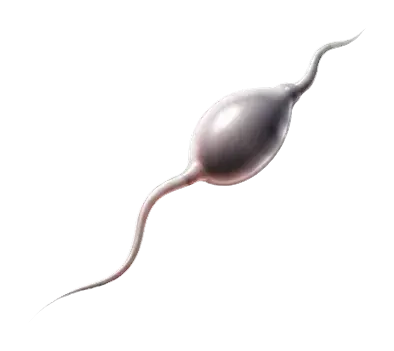
  • Support Physiological Spermatogenesis

Human Clinical Evidence

Peer-reviewed evidence supporting NAC supplementation in varicocele-related infertility.

Study Design

Design:
Prospective randomized clinical trial
Population:
Infertile men following varicocelectomy
Intervention:
N-Acetylcysteine 600 mg/day

Primary Endpoints

  • Sperm Concentration
  • Progressive Motility
  • DNA Fragmentation

Key Findings

  • Increased sperm concentration
  • Improved progressive motility
  • Reduced sperm DNA fragmentation
  • Reduced protamine deficiency
  • Increased TAC (Total Antioxidant Capacity)
  • Decreased MDA (Malondialdehyde)

Clinical Mechanism Pathway

  1. Varicocelemia

  2. N-Acetylcysteine

  3. Improved Oxidative Balance

  4. Improved Semen Parameters

Clinical Positioning

Glutathione-supporting strategies should be viewed as adjunctive interventions intended to complement standard urological management rather than replace anatomical correction when indicated.

Scientific References

Human Clinical Trial

Barekat et al. — Infertile men following varicocelectomy. Prospective randomized clinical trial evaluating NAC supplementation.

Testicular Immune Privilege

Fijak M, Meinhardt A — Testicular immune privilege and its implications in reproductive pathology.