







NewPassiveContact Us

OXIPASSIVE®

METABOLIC PCOS

Glutathione: The Missing Link in Metabolic PCOS

Restoring endogenous glutathione to rebalance redox homeostasis, improve metabolic function and support ovarian physiology.

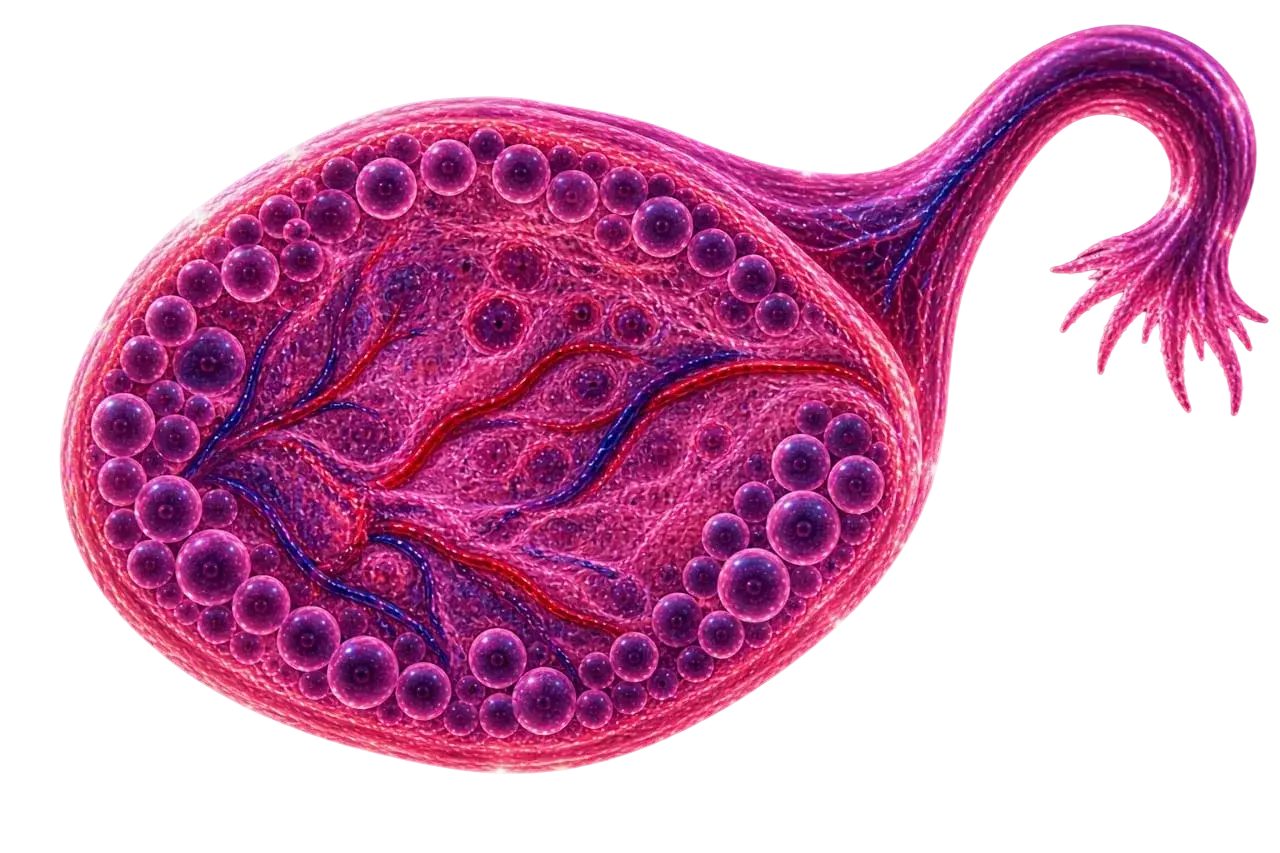
Illustrated ovary with multiple follicles and a fallopian tube
  • Hyperandrogenism

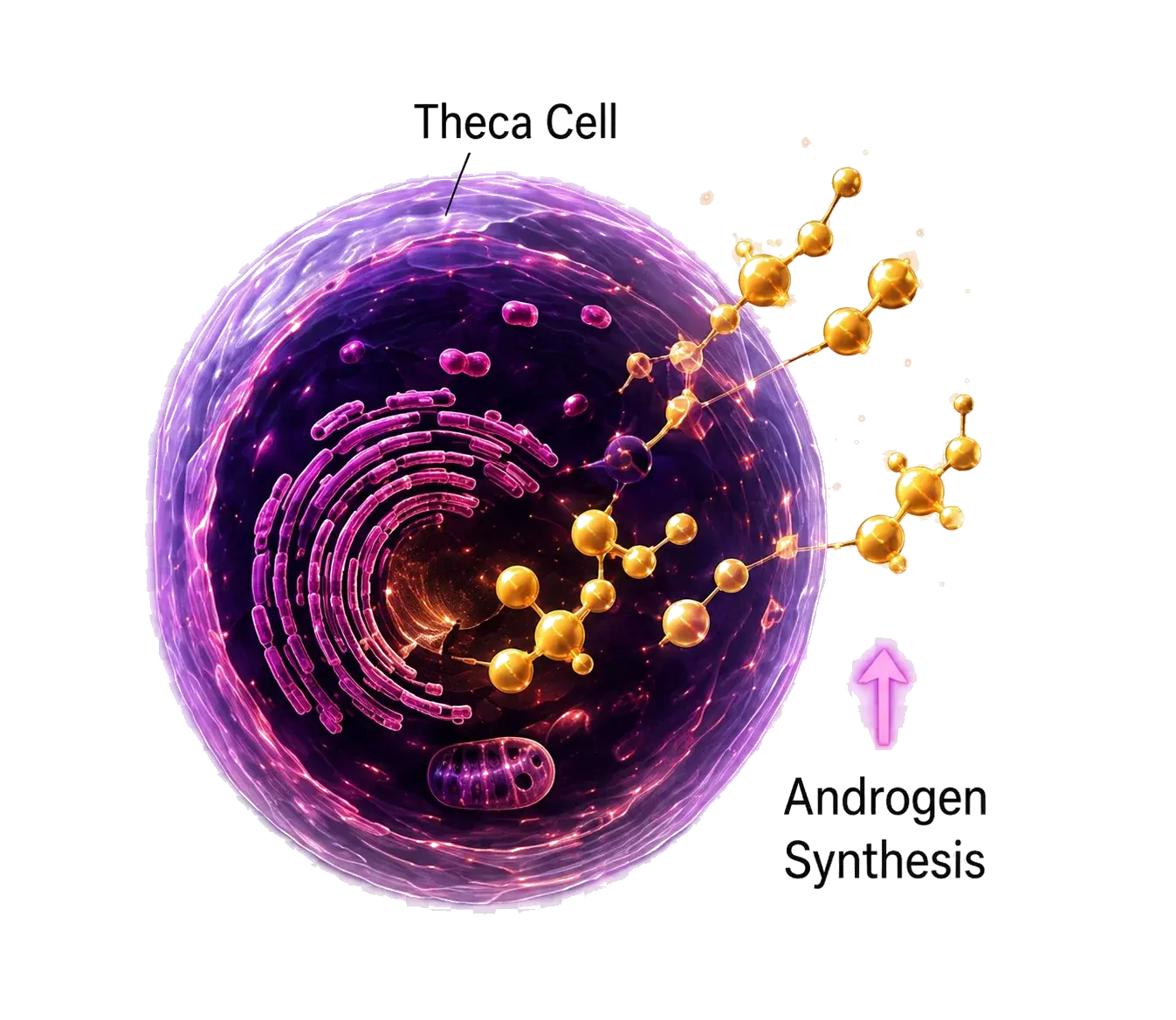
    Excess androgen activity disrupting systemic cycle control

  • Insulin Resistance

    Impaired peripheral glucose transport and metabolic balance

  • Oxidative Stress

    Sustained redox disruption resulting in follicular damage

Glutathione: The Body's Master Antioxidant - And the Missing Link in Metabolic PCOS

When endogenous glutathione drops, the body loses its primary defense against oxidative stress. The result is a cascade of metabolic dysregulation that can drive insulin resistance, hyperandrogenism, and ovulatory dysfunction.

  1. 1

    NF-κB Activation

  2. 2

    Chronic Inflammation

  3. 3

    Oxidative Stress

  4. 4

    Insulin Resistance

  5. 5

    Hyperandrogenism

  1. 6

    GSH Depletion

  2. 7

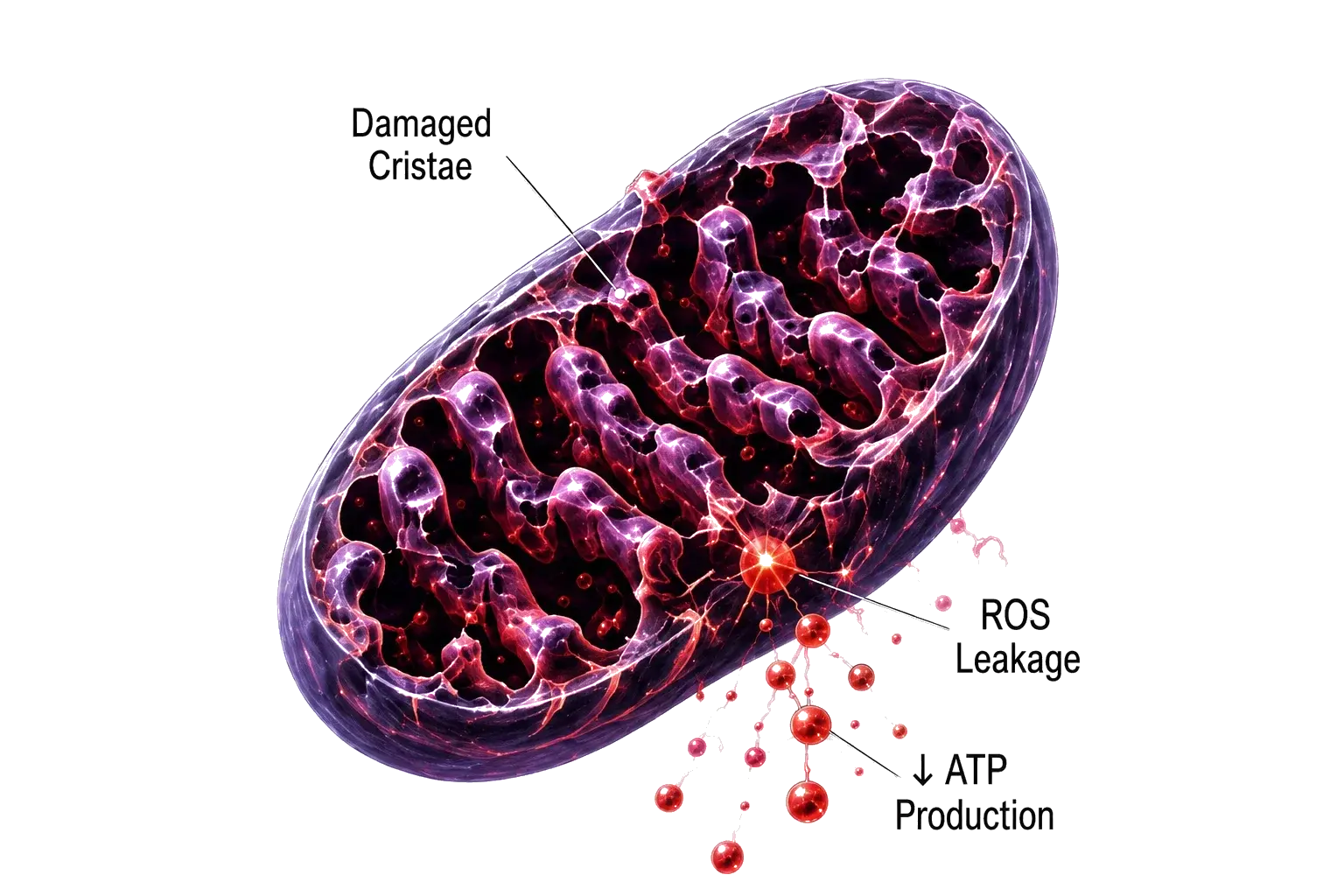
    Mitochondrial Dysfunction

  3. 8

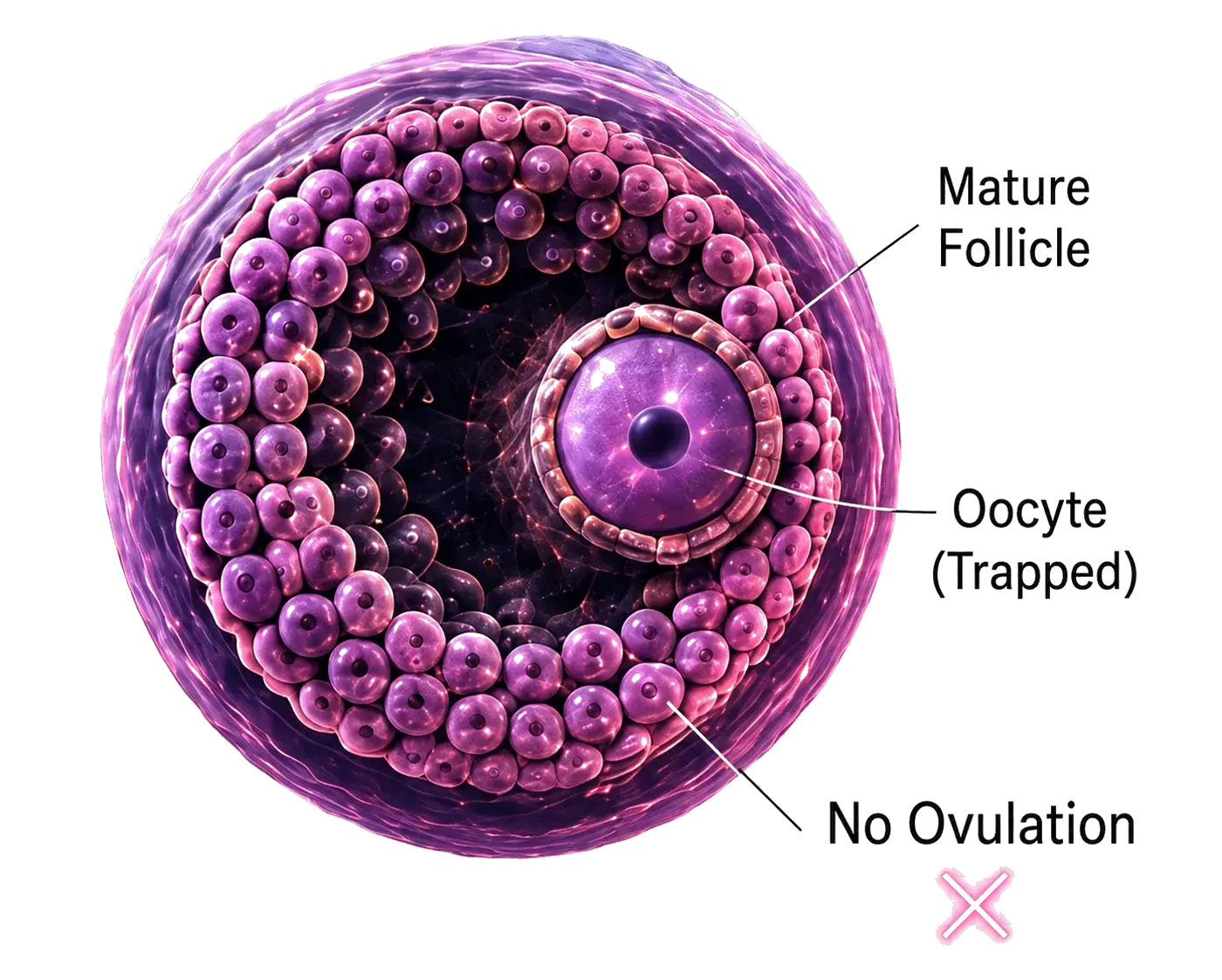
    Ovulatory Dysfunction

Oxipassive® Dual-Precursor Strategy

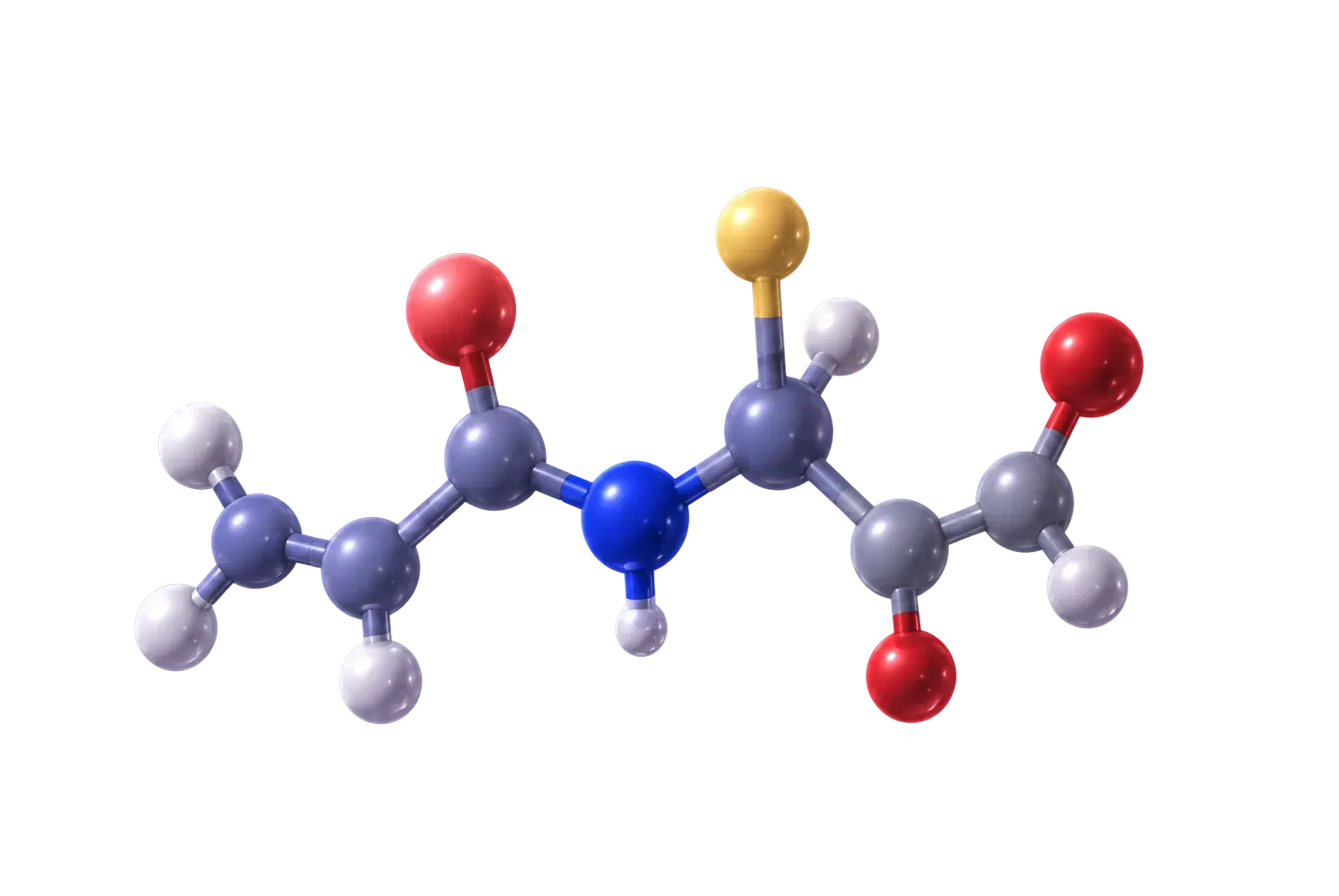
  1. N-Acetylcysteine

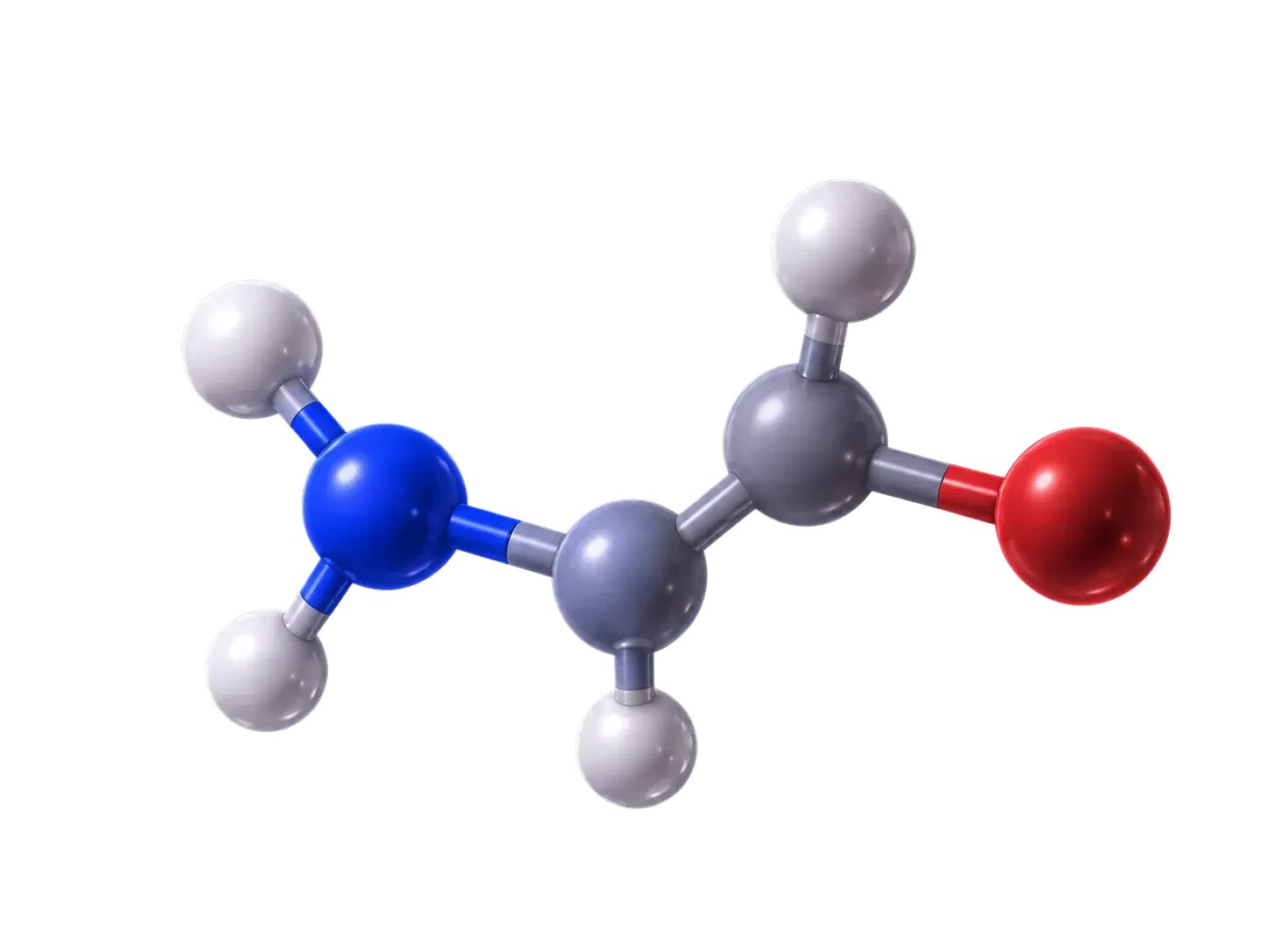
  2. Glycine

  3. Glutathione (GSH)

  4. Cellular Redox Balance

Pathology & Clinical Management

Understanding the multi-faceted cellular profile of Metabolic PCOS.

Patient Profile

Silhouette of a woman in profile
  • Hyperandrogenism

    Excess androgen activity

  • Insulin Resistance

    Impaired glucose metabolism

  • Low-grade Inflammation

    Chronic inflammatory state

  • Oxidative Stress

    Increased reactive oxygen species

  • Ovulatory Dysfunction

    Impaired follicular development

Clinical Dose

Clipboard with a capsule

Oxipassive®

One capsule twice daily for 3–6 months.

ADJUVANT CLINICAL NOTE:

Adjuvant therapy designed specifically for mitigating redox stressors in metabolic phenotypes of PCOS.

Clinical Challenge

Metabolic PCOS is driven by a self-perpetuating cycle of hormonal, metabolic, and inflammatory disturbances that disrupt ovarian function.

Vicious cycle linking hyperandrogenism, insulin resistance, inflammation and oxidative stress

This vicious cycle sustains oxidative stress and glutathione depletion, leading to mitochondrial dysfunction and impaired ovulation.

The Science of Dual-Precursor Supplementation

How restoring endogenous Glutathione addresses key intracellular pathologies.

Why Oxidative Stress Matters

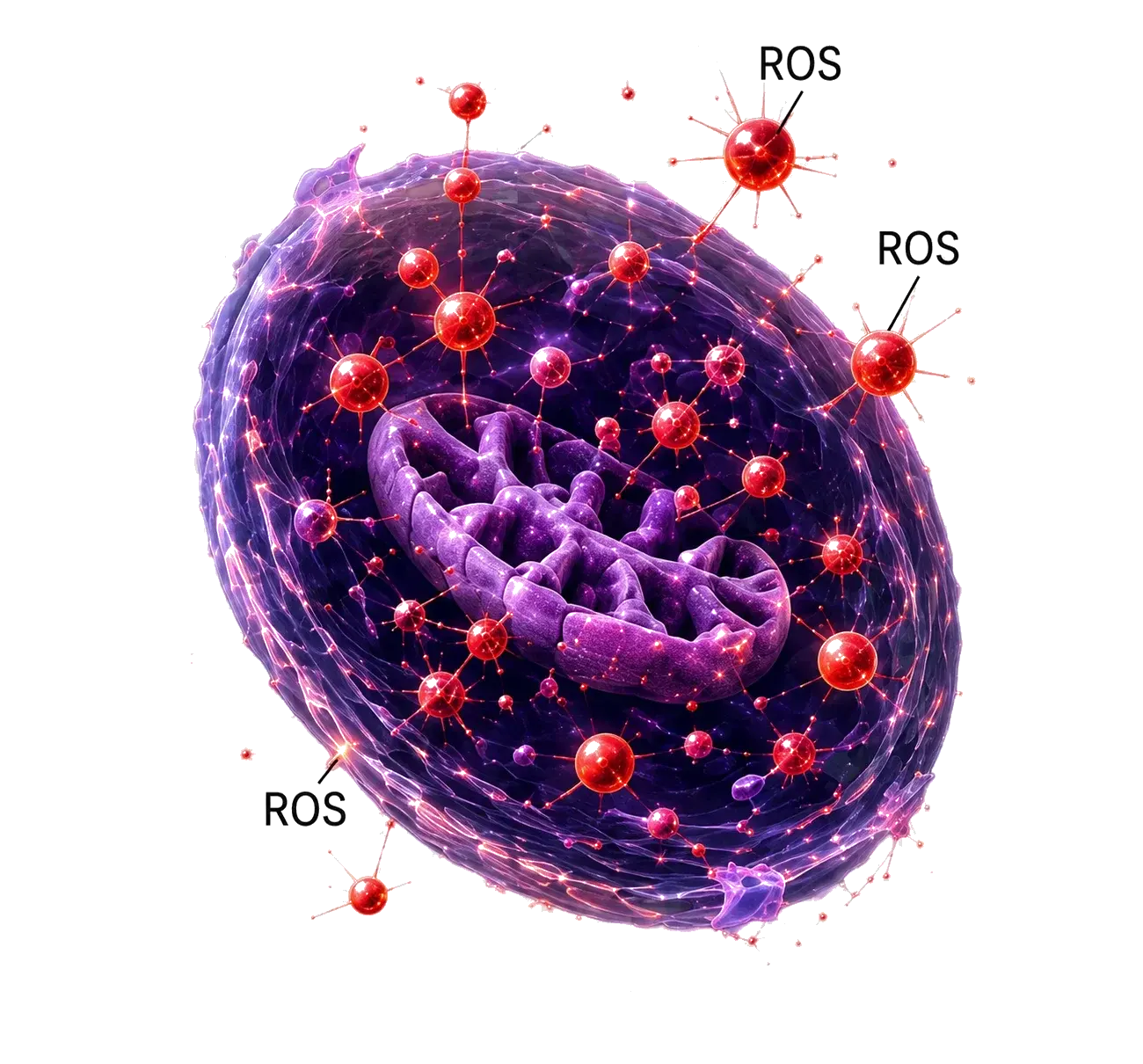
  • ROS — Damages cells and DNA
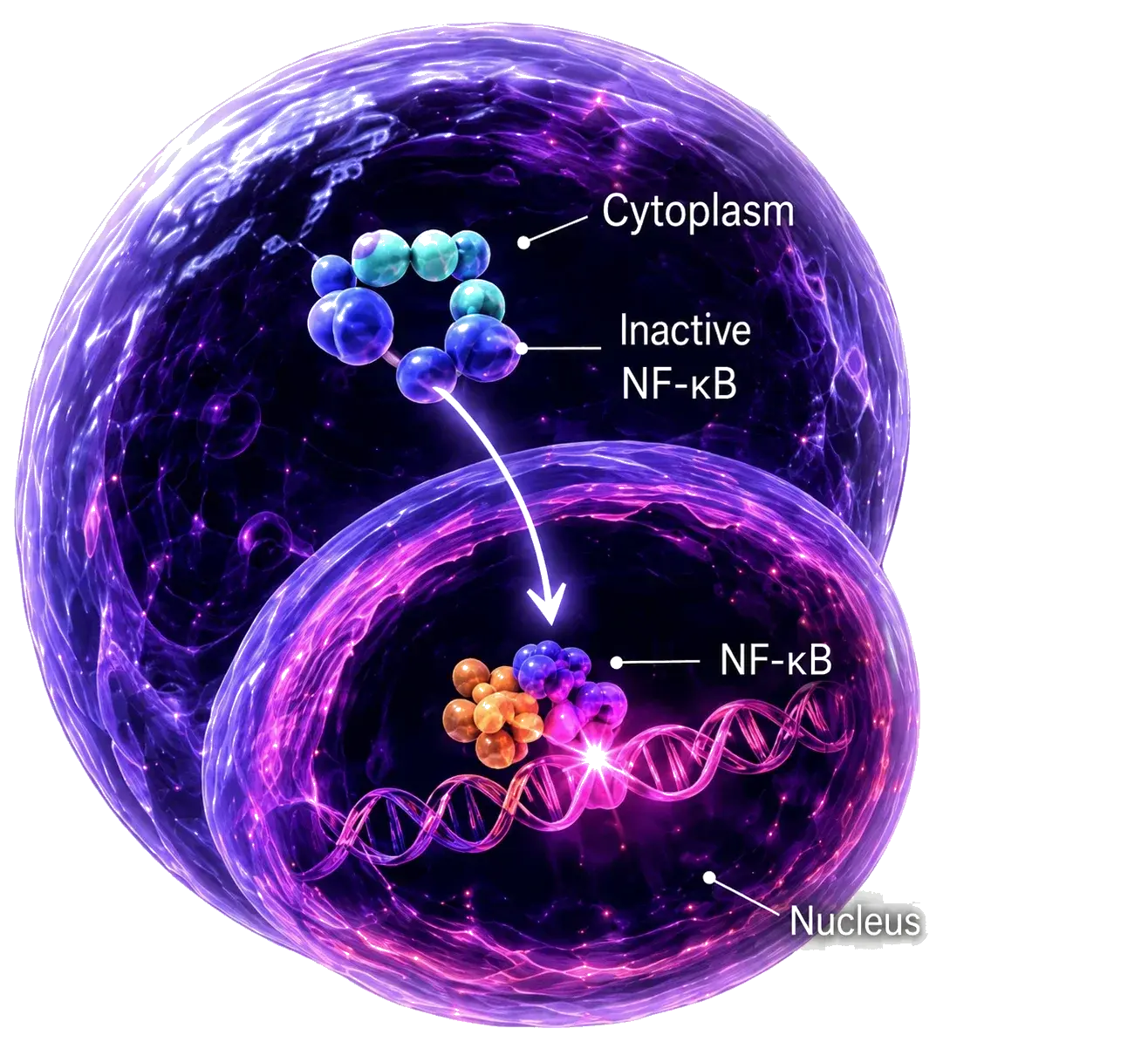
  • NF-κB — Activates inflammatory pathways
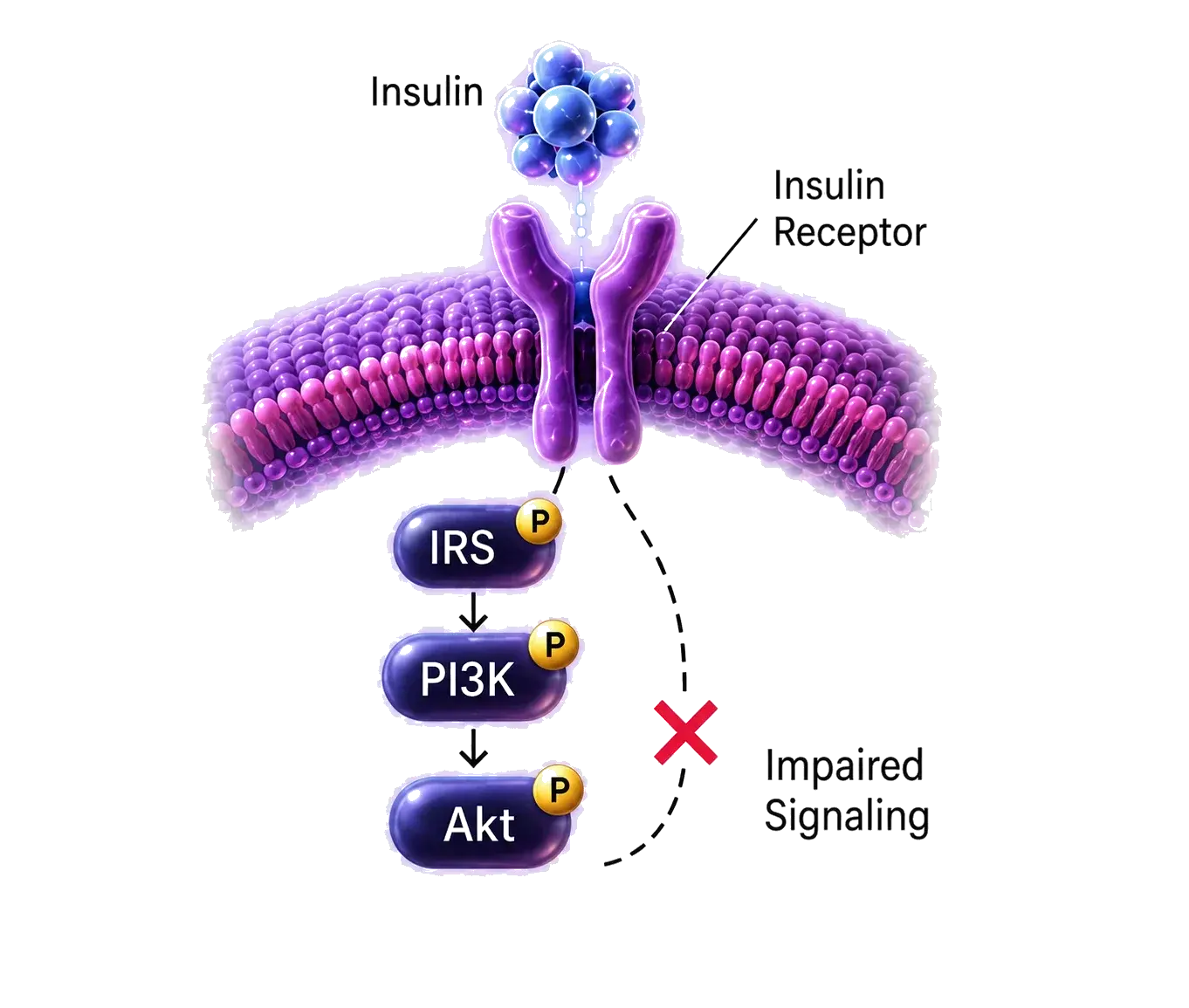
  • Disrupts insulin signaling and glucose metabolism
  • Impairs mitochondrial function and oocyte quality

Why NAC?

  • Precursor for glutathione synthesis
  • Reduces oxidative stress
  • Modulates NF-κB activation
  • Supports insulin signaling
  • Protects ovarian cells

Why Glycine?

  • Essential substrate for glutathione synthesis
  • Supports mitochondrial function
  • Anti-inflammatory properties
  • Supports metabolic homeostasis

Why Dual-Precursor?

  • Supplies both precursor (NAC) and substrate (Glycine)
  • Enhances endogenous glutathione synthesis
  • Improves redox balance and mitochondrial function

Expected Clinical Benefits

Metabolic Function

  • Supports Insulin Sensitivity

    Enhances peripheral glucose utilization

  • Supports Mitochondrial Function

    Optimizes cellular energy production

Redox Homeostasis

  • Restores Glutathione

    Replenishes depleted intracellular GSH pool

  • Reduces Oxidative Stress

    Neutralizes reactive oxygen species

  • Supports Inflammatory Balance

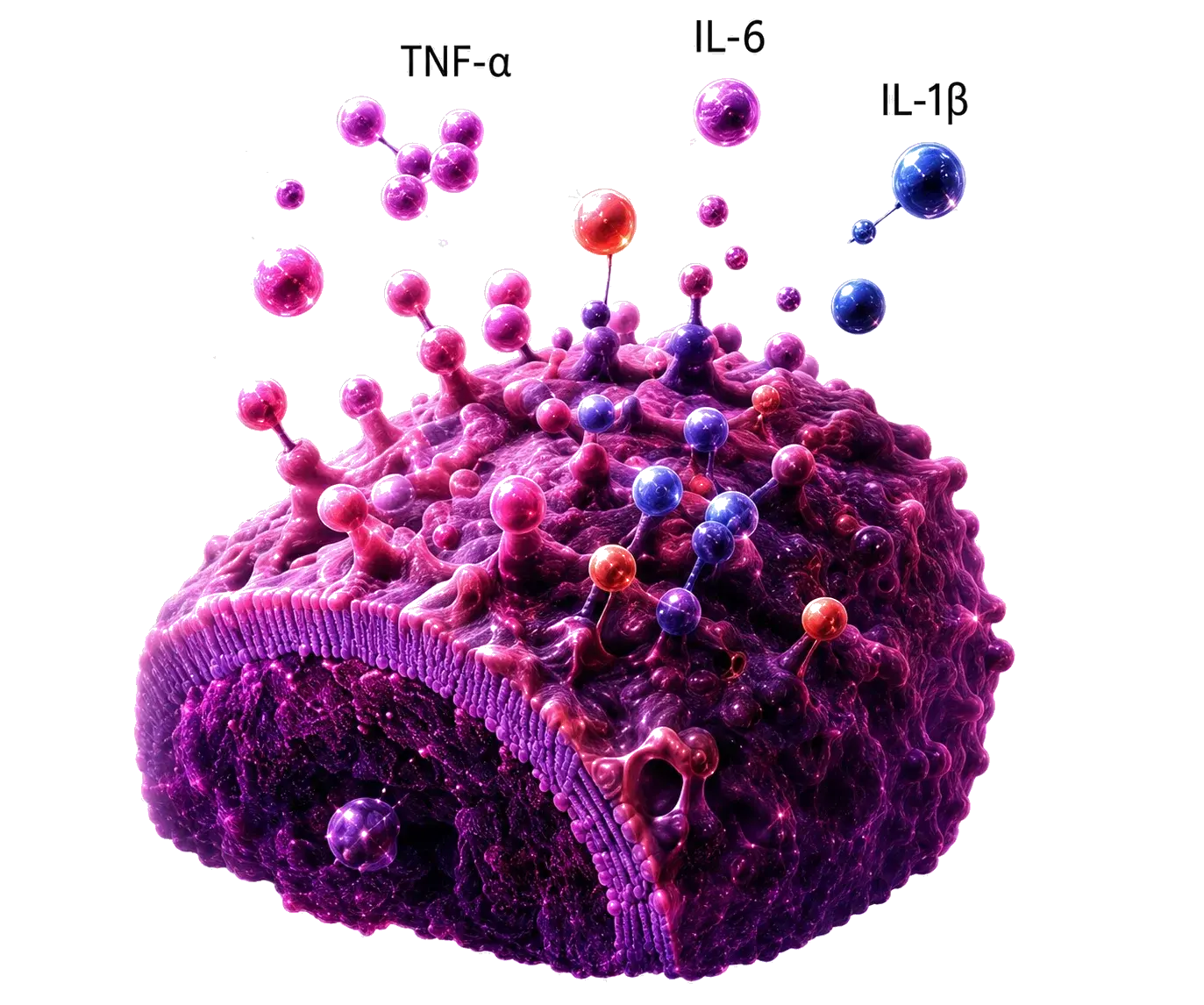
    Down-regulates pro-inflammatory cytokines

Ovarian Function

  • Supports Ovarian Health

    Protects follicular microenvironment

  • Supports Ovulatory Function

    Regulates natural cellular cycles

  • Addresses Oxidative Stress in Metabolic PCOS

    Optimizes oocyte development environment

Clinical Evidence

Peer-reviewed scientific validation supporting glutathione dual-precursor therapy.

NAC & Metabolic Parameters in PCOS

Systematic Review & Meta-analysis - 11 RCTs • 869 Women with PCOS

PMID: 37841396

Metabolic Profiles in PCOS: Reduced Glycine

Metabolomics Study - 217 PCOS • 48 Controls

PMID: 23198915